
Comprehensive Hearing Assessment
Specialized hearing tests, including pure-tone audiometry, speech audiometry and other standard assessments required to determine the type and degree of hearing loss.
Comprehensive hearing assessment, interpretation of results, and professional hearing solutions tailored to each individual’s hearing and communication needs.
Pourya Nadimi Audiology Center focuses on comprehensive hearing assessment for clients of different age groups, interpretation of results, and providing solutions tailored to each individual’s needs.
The center provides specialized hearing assessments, reports and professional recommendations, consultation on hearing management options, hearing aid selection and fitting, assistive listening devices, aural rehabilitation and auditory training, and ongoing hearing management follow-up.
Throughout this process, each person’s hearing status, communication needs and lifestyle are considered so that assessment results and available options can be explained clearly and understandably.
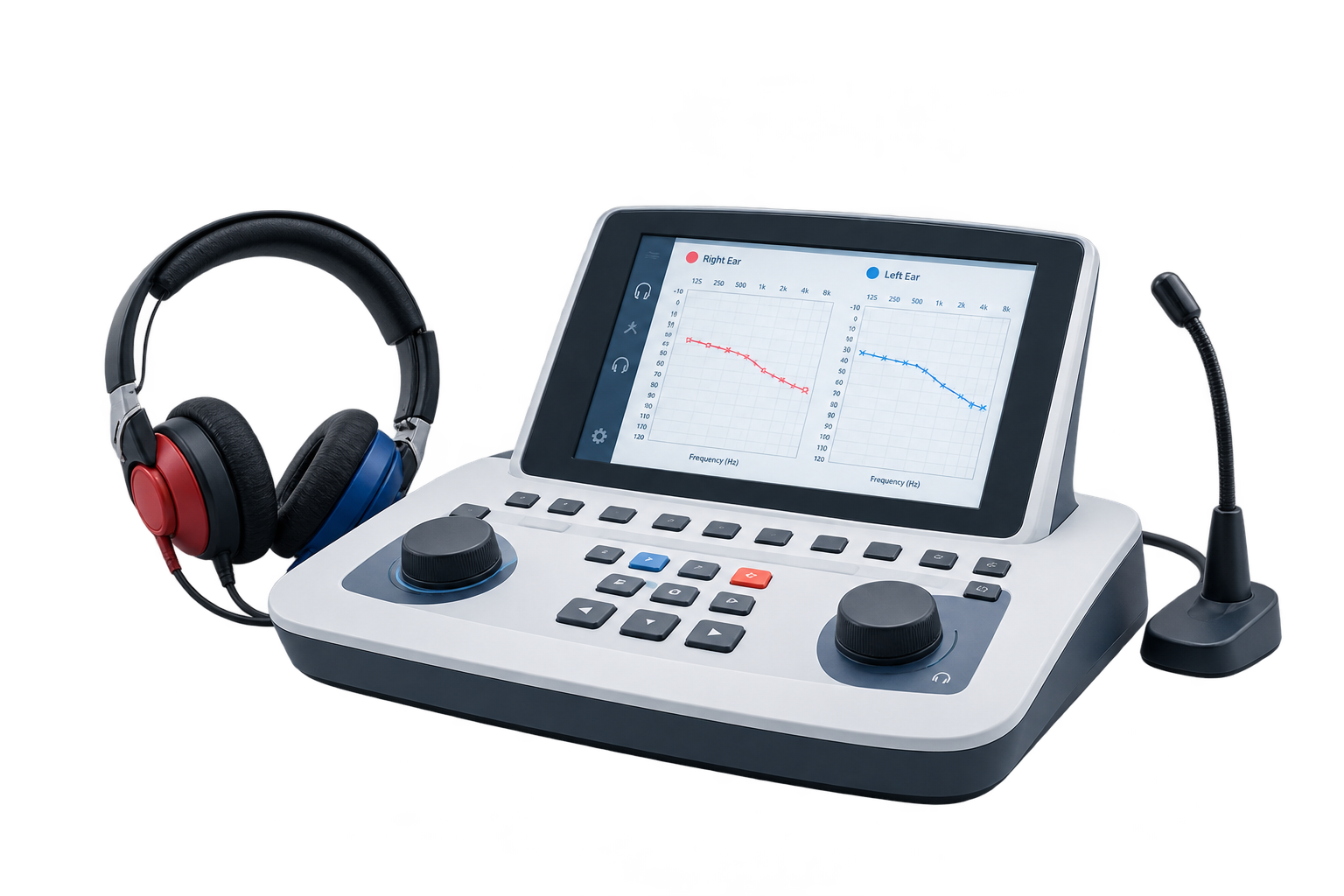
Specialized hearing tests, including pure-tone audiometry, speech audiometry and other standard assessments required to determine the type and degree of hearing loss.
Interpretation of audiological test results and clinical findings, accurate documentation, and professional reports and recommendations based on the client’s hearing status.
Consultation for clients and their families on hearing-loss management options, assistive listening devices, amplification systems, and solutions suited to individual needs.
Selection, fitting, programming and adjustment of hearing aids, with necessary fine-tuning to support device performance and individual adaptation.
Auditory training, rehabilitation and communication strategies to support more effective use of hearing abilities in daily life.
Follow-up of hearing status and hearing-aid performance, monitoring adaptation to amplification, periodic assessments, and adjustment of hearing management and rehabilitation plans according to progress and individual needs.
Hearing aids are selected based on assessment results, the type and degree of hearing loss, communication needs and each individual’s lifestyle.
After selection, the device is fitted, programmed and adjusted, and its performance and the individual’s adaptation to the hearing aid are monitored during follow-up appointments.
Hearing Aid Consultation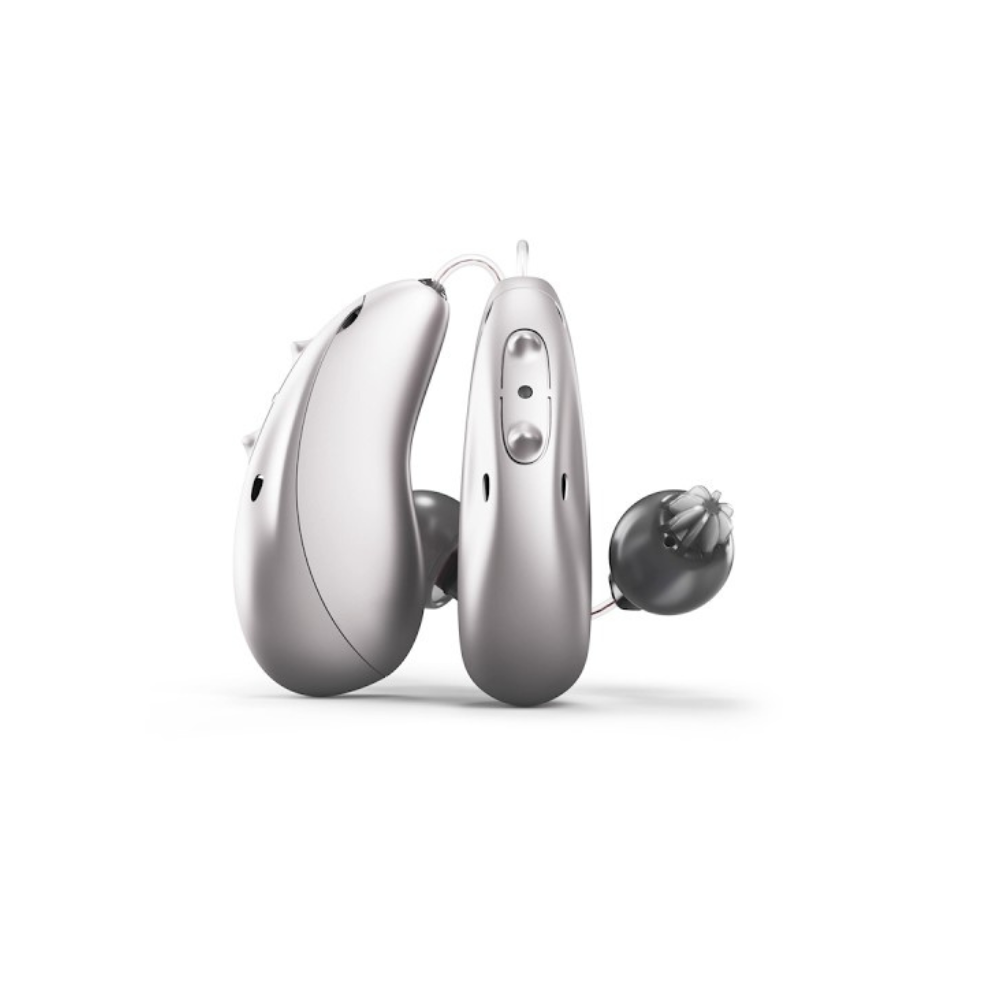
Required hearing assessments and review of results to gain a clearer understanding of the type and degree of hearing loss.
Interpretation of results, explanation of hearing status, and review of suitable options based on hearing and communication needs.
When appropriate, selection of hearing devices and hearing aids, followed by fitting, programming and adjustment.
Follow-up of performance and adaptation to the selected solution, with auditory training and guidance to support more effective use of hearing abilities.
Assessment and interpretation of hearing test results help identify the type and degree of hearing loss and hearing needs. The results are used for reporting, professional recommendations, and hearing management and follow-up.
When necessary, clients are referred to ENT specialists, physicians or other relevant healthcare professionals, with coordination with the healthcare team as appropriate.
Preventing damage from exposure to loud noise is an important part of hearing care. Awareness of risk factors and following hearing protection principles can help reduce the risk of noise-related hearing damage.
For information about our services, to arrange a hearing assessment or to book an appointment, you can contact the center through the details below.
If you notice hearing difficulty, trouble understanding conversations, frequently need others to repeat themselves, or have concerns about your hearing, a professional assessment can help provide a clearer understanding of your hearing status.
No. The need for a hearing aid is considered based on the type and degree of hearing loss, hearing assessment results, communication needs and individual circumstances. It is not the same for everyone.
Hearing aids are selected based on hearing assessment results, the type and degree of hearing loss, hearing and communication needs, and the conditions in which the device will be used.
Yes. After receiving a hearing aid, fitting, programming and adjustment, as well as follow-up of performance and adaptation, are important. Adjustments can be refined when needed.
In some cases, auditory training, rehabilitation and communication strategies can support more effective use of hearing abilities and better adaptation to a hearing aid.
If further medical assessment or treatment is needed, the client is referred to an ENT specialist, physician or other relevant specialist for further evaluation and follow-up. When necessary, coordination with other members of the healthcare team is arranged.
The results of completed assessments are reviewed and interpreted, and when appropriate, a report and recommendations related to hearing status and its management are provided.
Depending on the assessment results and individual circumstances, periodic follow-up may be recommended to monitor hearing status, hearing-aid performance or rehabilitation progress and to adjust the hearing management plan when needed.